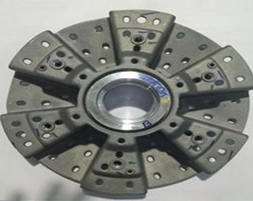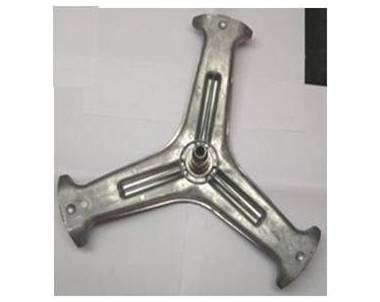
We offer every type of part and module needed in household appliances—such as motors, boards, sensors, and heaters. Our components are made with reliability, compatibility, and long service performance in mind.
Basically, the component of home appliances entails those core parts, modules, and sub-systems that compel household-type devices to work, such as refrigerators, washing machines, air conditioners, ovens, etc. Motors, sensors, control panels, thermostats, compressors, and heating elements are some of the components involved in making an appliance run optimally.
Each of these components plays a definite role in proper functionality, safety, and endurance. In other words, a component must be reliable for the best-designed appliance to perform well in the common household chores. On the other hand:
When choosing home appliance components, look for durability, precision, and compatibility with your particular device. As per safety standards, the equipment must perform excellently with a prolonged warranty support from a reputable entity. Always select certified components, aiming for longevity, energy efficiency, and consistent appliance performance. Here are some key attributes to consider:
| Feature | Why It Matters | What to Check |
|---|---|---|
| Durability & Material Quality | Prevent early failure, withstand stress | Use of strong metals, polymers, insulation |
| Precision & Tolerance | Ensures correct fit and operation | Check dimensional specs and tolerances |
| Compatibility & Standards | To integrate seamlessly with existing systems | Confirm model compatibility, wiring, voltage |
| Certification & Compliance | For safety, regulatory, warranty purposes | Certifications like CE, UL, ISO, RoHS |
| Thermal / Electrical Performance | Efficient and safe operations | Check current ratings, insulation class, heat resistance |
| Warranty & Support | Provides assurance and recourse | Availability of replacements, after-sales support |
SA component may look perfect from the outside, but also internally there must be quality, such as the copper winding, the thickness of PCB traces. So read those datasheets or product specification documents very carefully.
Yes, components for home appliances are often customized when off-the-shelf components do not exactly fit an application. The common customization options are: