
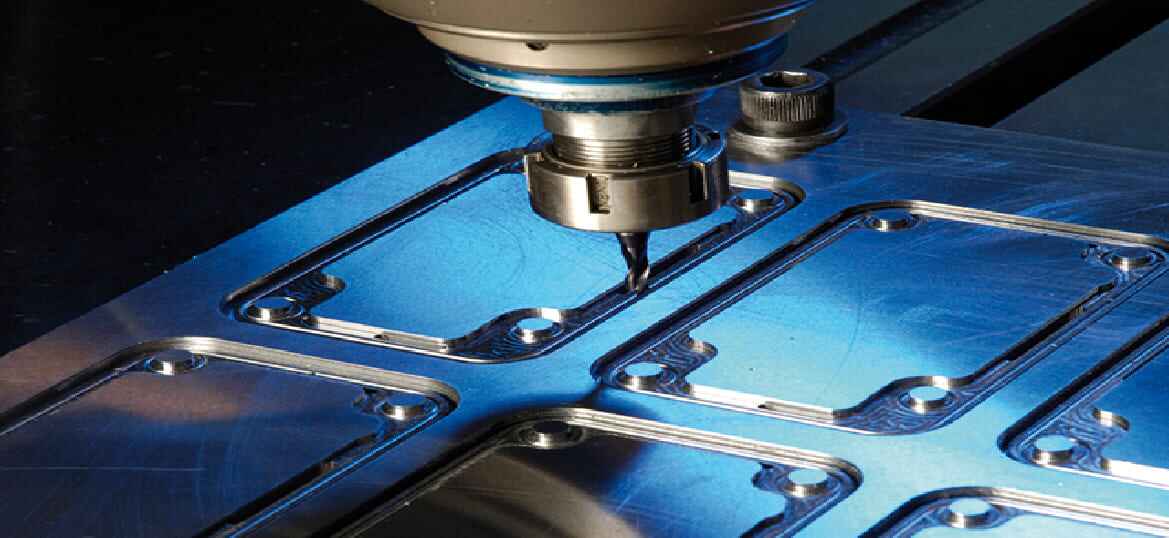
Aluminium pressure die casting tool design is an engineering process of utmost importance that works toward designing durable, high-precision moulds or dies used for the manufacturing of aluminium parts. The service provided by these tools results in defining the shape, dimensional accuracy, and surface finish of the castings so as to have uniformity in high-volume production and their practical use. Our aluminium pressure die casting tool design department at Advance Technologies offers a combination of innovation, engineering insight, and simulation tools to produce tools of extraordinary dimensional accuracy and durability.
Design for these casting tools is very much industry specific, and so, there are automotive, aerospace, electronics, and industrial machinery tools and so on. Throughout this tool designing process, a great number of hours go into ensuring that every mould is cast at the highest stage of optimisation for casting efficiency and component quality-infrom conceptualisation to 3D modelling, thermal flow simulation, and eventually machining.
When it comes to aluminium pressure die casting tool design, wall thickness determines
casting and quality and the life of the tool. Any weight inequalities or improper thicknesses in these will give rise
to various performance and quality issues, such as porosity, incomplete filling, or premature mould wear.
Possible effects of wall thicknesses are as below:
Choosing the mould material will definitely affect the outcome of the aluminium pressure die casting tooling design. The mould should be resistant to very high pressure, several cycles of temperature, and high temperatures without deforming or wearing out prematurely. The most common types used include:
Advance Technologies has been carrying out aluminium pressure die casting
tooling design for several
years, increasingly gaining a respected name in high-precision engineering. The key aspects of the
services are:
- 3D CAD Modelling & Simulation: Mould design and thermal analysis.
- Development of Prototypes: For validation purposes before production.
- Material Selection Guidance specific to the requirement.
- Complete Tool Manufacturing, including machining, polishing, and testing.
All our designs are geared towards increasing casting efficiency further, reducing cycle time, and
improving surface finish.
At the heart of manufacturing good-quality and dependable aluminium components stands the aluminium pressure die casting tool design.. Proper tool design combined with controlled wall thickness and best material selection brings precision and consistency, with the mould lasting for a very long time.